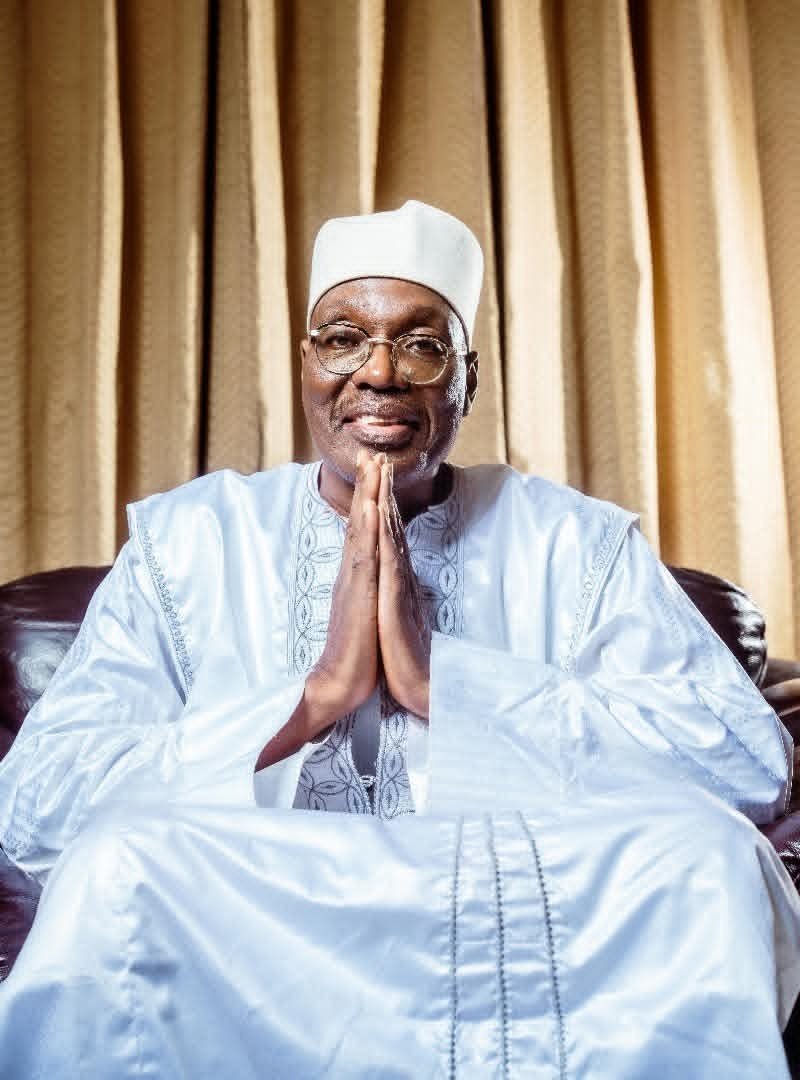


Cameroon Urges Stronger International Support for Refugees at UNHCR Meeting in Geneva
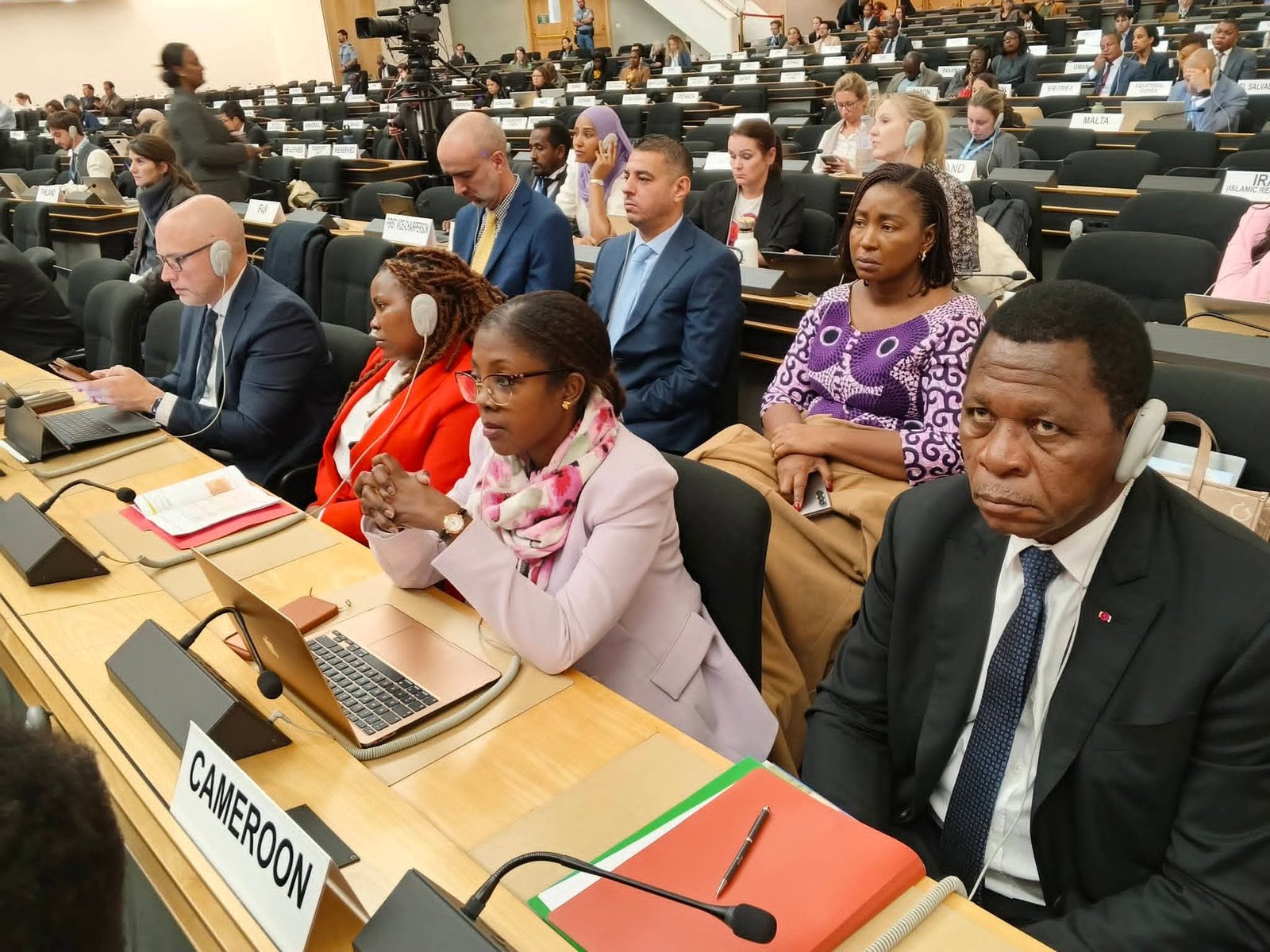
Cameroon has called on the international community to increase funding and share responsibility for refugee protection as humanitarian needs continue to grow amid declining international assistance.
The appeal was made by the Minister of Territorial Administration, Paul Atanga Nji, on Monday, October 12, 2026, at the opening of the 77th session of the Executive Committee of the United Nations High Commissioner for Refugees (UNHCR) in Geneva, Switzerland.
He is representing President Paul Biya at the five-day meeting, which runs until October 16. Addressing representatives of governments and humanitarian organisations, Atanga Nji said Cameroon hosts approximately 500,000 refugees and 20,000 asylum seekers, mainly from neighbouring countries.
He reaffirmed the country’s commitment to protecting vulnerable populations but warned that the financial burden on host countries continues to grow as international support declines.
The minister urged international partners to provide timely and predictable assistance, stressing that refugee protection commitments must translate into practical support when humanitarian emergencies arise.
“The cheque book for refugee assistance must be kept on the table, close to a pen, ready to be signed whenever humanitarian emergencies crop up,” Atanga Nji said, calling for assistance to be made available without unnecessary delays.
He also reiterated Cameroon’s preference for the voluntary return of refugees to their countries of origin in conditions of safety and dignity, where circumstances permit.
The minister acknowledged the role of UNHCR in supporting refugee protection and called for stronger operational capacity to meet the needs of displaced people and the communities hosting them.
The 77th session of the UNHCR Executive Committee brings together international representatives to examine refugee protection challenges, humanitarian needs and ways to strengthen global responsibility-sharing.
Cameroon’s position is that refugee protection cannot rest solely on host countries. It requires reliable funding, timely assistance and sustained cooperation from the international community.