


One Year After Cameroon’s Presidential Election: What Has Changed?
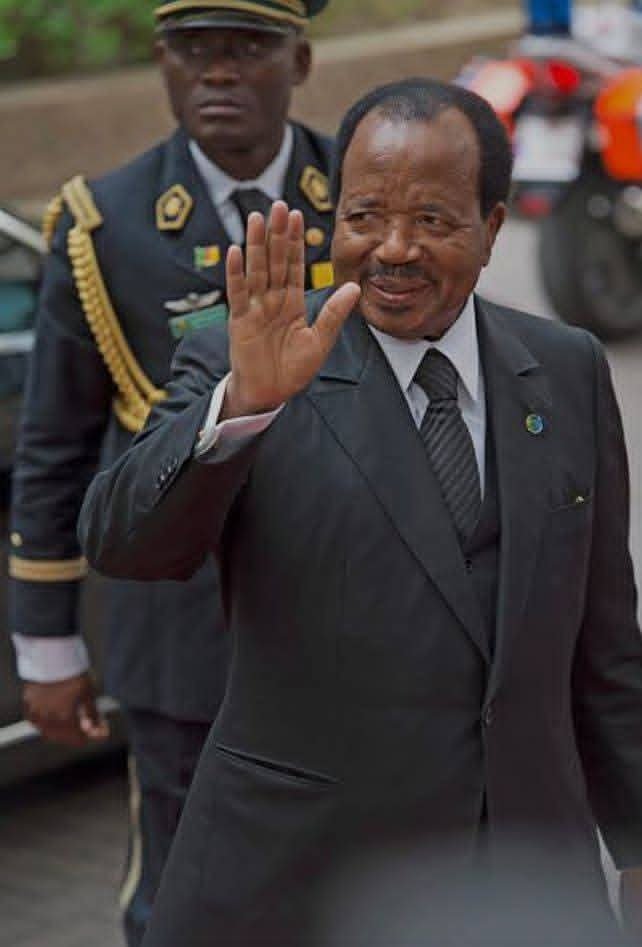
One year after Cameroonians voted in the October 12, 2025 presidential election, questions remain about political trust, government reforms and the country’s direction following a contested electoral process.
The election returned President Paul Biya to office for another seven-year term, but the announcement of the result did not end the political tensions that followed the vote.
A Disputed Electoral OutcomeBefore the official results were announced, opposition candidate Issa Tchiroma Bakary claimed victory, citing figures his camp said it had compiled.
Results also circulated on social media, although such figures were not the official outcome declared by the competent electoral authority.The government and ruling Cameroon People’s Democratic Movement (CPDM) rejected claims that the opposition candidate had won.
On October 27, 2025, the Constitutional Council proclaimed Biya the winner with 53.66% of valid votes, against 35.19% for Tchiroma.Tchiroma and his supporters disputed the outcome, alleging electoral irregularities and questioning the credibility of the process.
Protests followed in several parts of the country, leading to confrontations with security forces, reported deaths and hundreds of arrests.The post-election period exposed deep divisions over the credibility of the electoral process and the ability of institutions to command public confidence.
One Year Later: Questions Over GovernanceBeyond the election controversy, attention has turned to what the new presidential term has delivered. Expectations of a major government reshuffle and renewed political momentum have persisted, but a major cabinet overhaul had yet to be announced as of the anniversary.
The vice-presidential position, restored through constitutional changes in 2026, also remained unfilled as of the latest available reports.Meanwhile, economic pressures and persistent security challenges continue to shape the lives of many Cameroonians.
For citizens, the key test of the new term extends beyond political promises to tangible progress in employment, public services, security and living conditions.The anniversary also brings renewed attention to the need for transparent electoral processes, respect for peaceful dissent and credible mechanisms for addressing disputes.
Looking AheadElections are a central part of democratic governance, but public confidence depends on more than the announcement of a winner. Transparency, accountability, institutional credibility and the protection of citizens’ rights all contribute to the legitimacy of the process.
As Cameroon marks one year since the October 12, 2025 vote, the debate is no longer only about who won the election.
It is also about whether the country has made progress in addressing the concerns that emerged during and after the polls.One year later, what has changed in Cameroon and what still needs to change?