


5,971 Public Workers Face Salary Checks as Cameroon Tightens Payroll Control
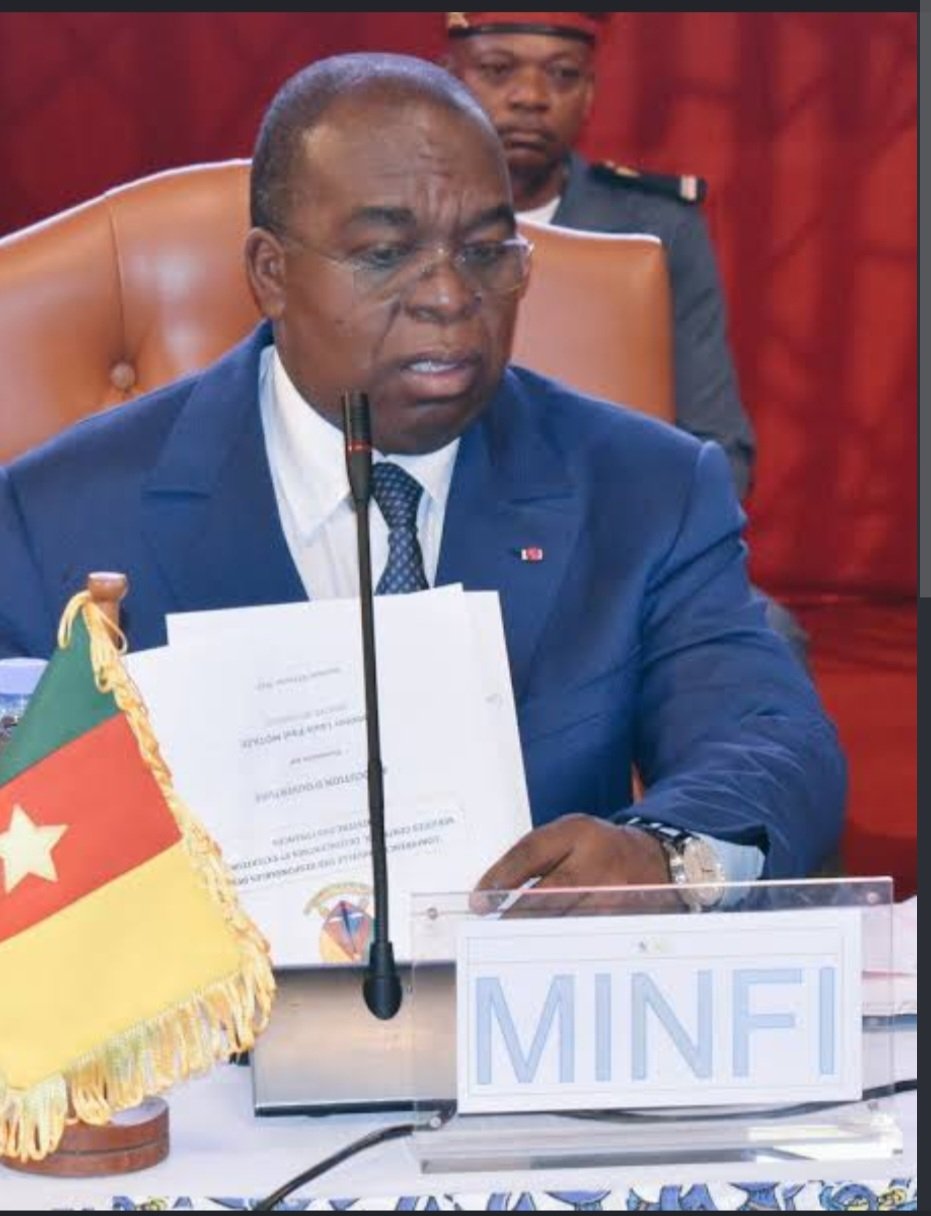
Cameroon’s Ministry of Finance has launched another major operation to clean up the State payroll, with 5,971 public workers identified as still being considered resident abroad following checks of border-crossing records and information supplied by their respective administrations.
In a communiqué signed on September 15, 2026, Finance Minister Louis Paul Motazé announced that the salaries of the affected personnel for September and October 2026 will not follow the normal payment circuit. Instead, the funds will be redirected to the Treasury-Paymaster General’s Office of Yaoundé I pending verification of the workers’ administrative situations.
The measure does not automatically mean that the 5,971 workers have lost their salaries or have been removed from the public service. They have been given an opportunity to regularise their situations by presenting themselves to the Ministry of Finance’s Directorate of Personnel Expenditure and Pensions.
Among the documents required are a copy of their passport, proof explaining their travel abroad and an attestation of effective presence at their duty station issued within the past three months. Once their situations have been verified, eligible workers may obtain authorisation to collect their salaries from the Yaoundé I Treasury.
However, the deadline is firm. October 31, 2026 has been set as the cut-off date for regularisation. Workers who fail to justify their administrative status by then could be considered to have abandoned their posts, leading to the suspension of their remuneration from the State payroll.
The operation forms part of Cameroon’s broader Physical Headcount of State Personnel (COPPE) and payroll-cleaning efforts, which seek to eliminate irregularities involving absent, resigned, deceased or otherwise improperly paid personnel. The Finance Ministry says previous operations have already resulted in the removal of thousands of irregular personnel from the State payroll.
The latest exercise therefore places the spotlight on physical presence, administrative accountability and the government’s continuing efforts to ensure that public salaries are paid to personnel who are duly serving the State.
By IEN News Editor, EN