
Cameroon’s National Assembly Opens 2027 Budget Session Amid Calls to Address Socio-Economic Challenges
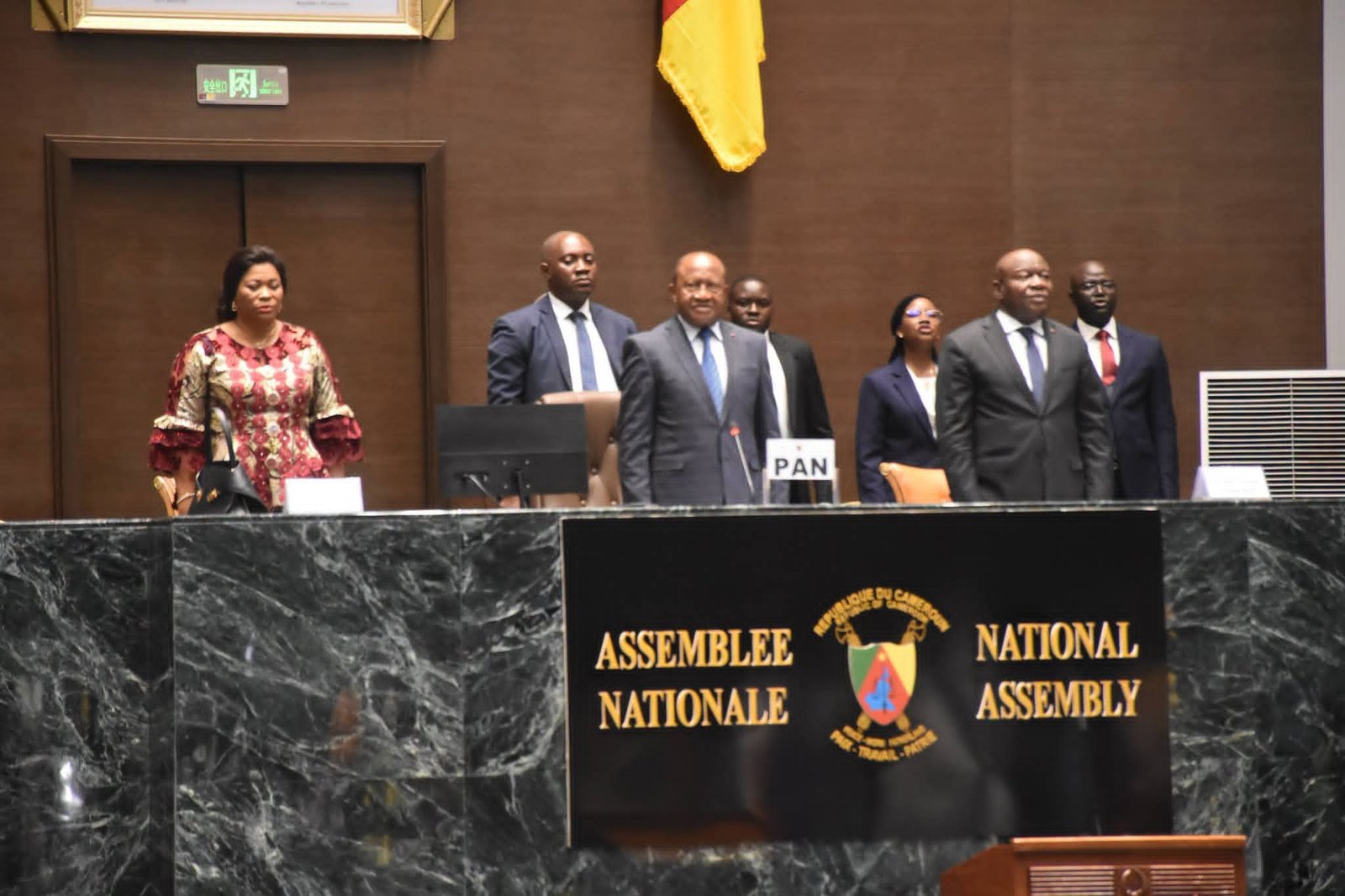
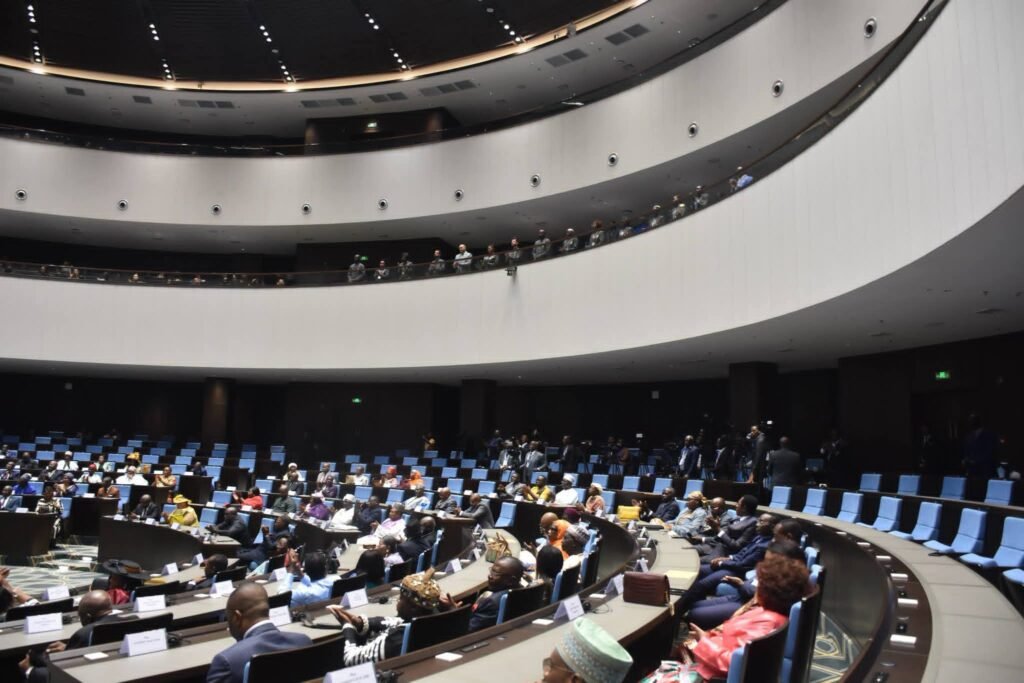
Cameroon’s National Assembly on Tuesday, November 10, 2026, officially opened its budgetary session, with lawmakers expected to examine and debate the proposed State Budget for the 2027 financial year.
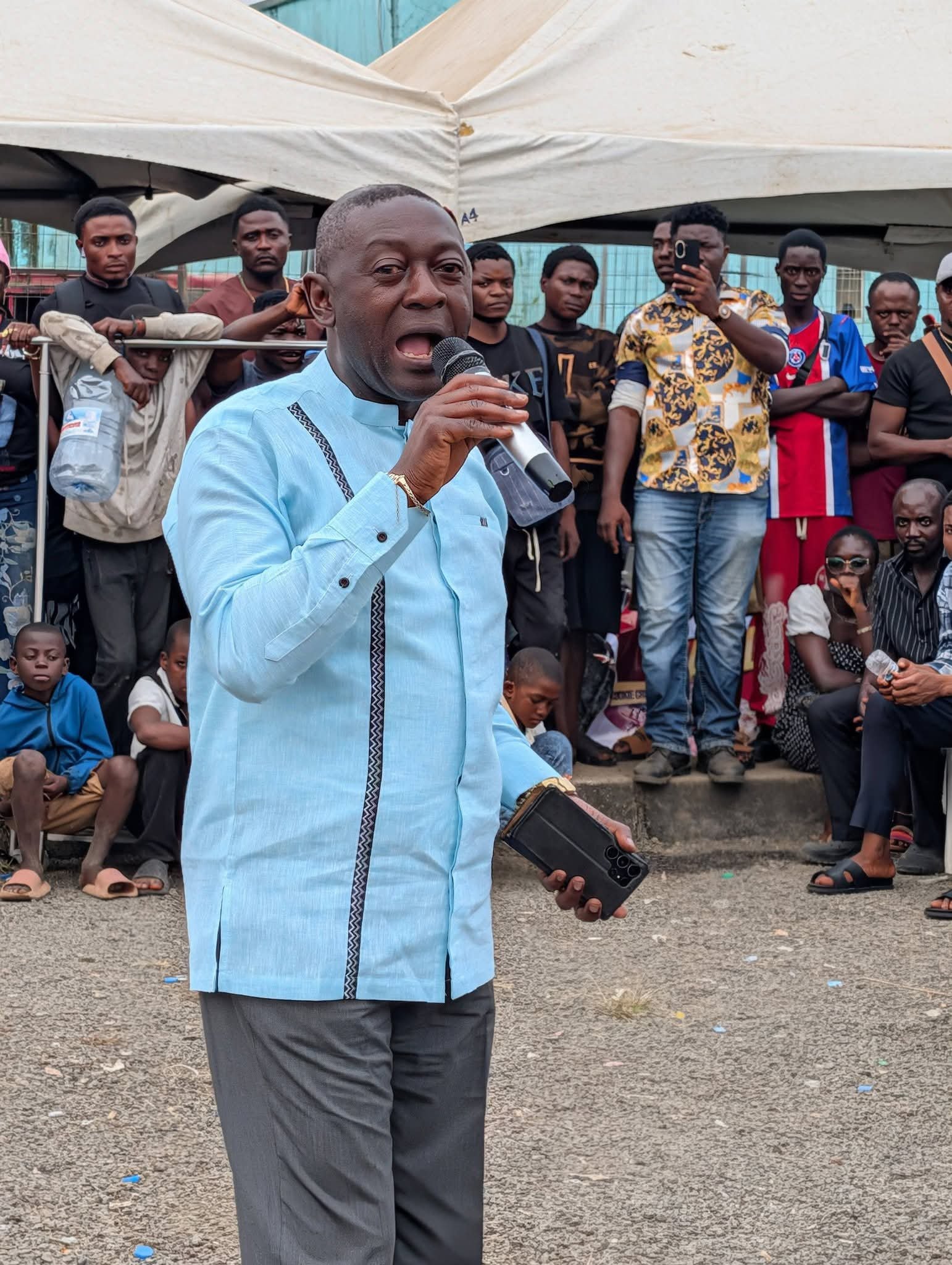
Opening the session, Speaker of the National Assembly, the Right Honourable Datouo Théodore, drew attention to the socio-economic difficulties affecting citizens and called for stronger responses to some of the country’s persistent development challenges.
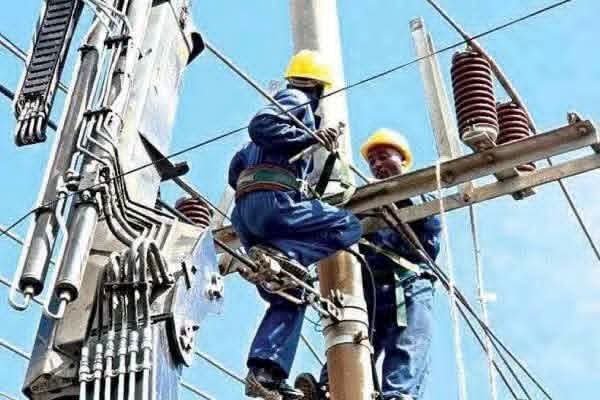
Among the concerns highlighted were frequent power outages, load shedding, low voltage and rising electricity bills. He also pointed to shortages of safe drinking water and the poor state of several roads across the country.
On employment and local governance, the Speaker raised concerns over youth unemployment and called for stronger measures to create economic opportunities for young people and women.
He also highlighted financial constraints affecting local councils, noting that limited resources continue to undermine efforts to achieve effective decentralisation.
The address further touched on social welfare and human rights, with concerns over poorly equipped schools, insufficient vocational training centres, inadequate healthcare infrastructure, femicide and gender-based violence.
On development financing, Datouo Théodore drew attention to billions of CFA francs in committed funding that remain undisbursed, a situation he said was delaying the implementation of important development projects.
He also called for greater support for farmers, pastoralists and local communities, stressing the need to ensure that the country’s mineral resources generate tangible employment opportunities and revenue.
With parliamentary deliberations now underway, the 2027 budget is expected to come under scrutiny as lawmakers consider how public resources can address these challenges and support national development.
The session comes amid public expectations for practical improvements in electricity supply, access to clean water, road infrastructure, healthcare, education and employment.